Across global cities, underutilized urban areas are being transformed into vibrant community commercial spaces. Modular container architecture plays a key role in this trend, offering a flexible, sustainable, and design-driven solution for food, culture, and social interaction
The New Forms of Urban Commercial Spaces
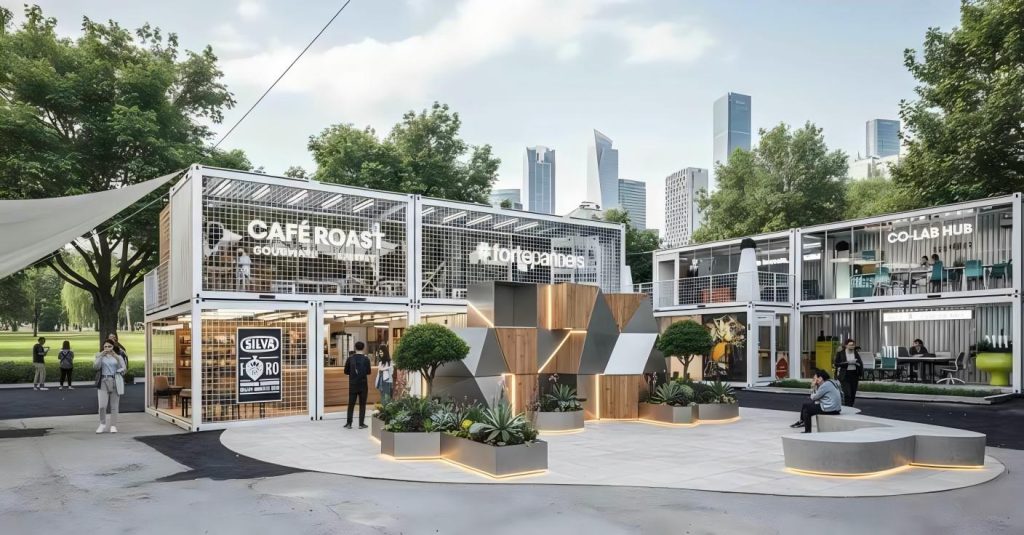
This project reimagines container buildings as a new food and culture market located in the city center. What was once a lifeless urban space has been revitalized into a destination where residents and visitors gather to experience contemporary design, cuisine, and local culture
This project reimagines container buildings as a new food and culture market located in the city center. What was once a lifeless urban space has been revitalized into a destination where residents and visitors gather to experience contemporary design, cuisine, and local culture
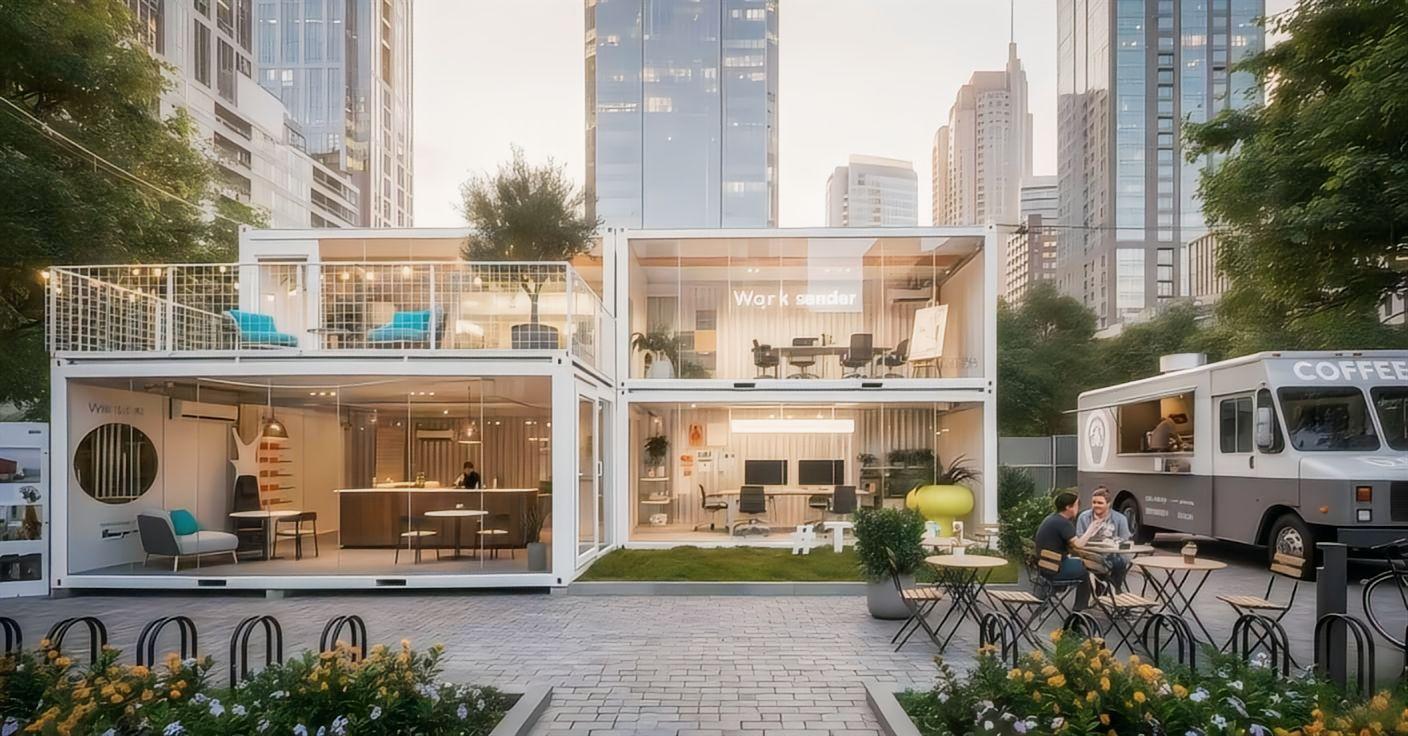
This urban community space integrates multiple functions, including:
Food and beverage vendors
Cultural and creative pop-up shops
Co-working spaces
Food trucks and local producers
Urban garden areas
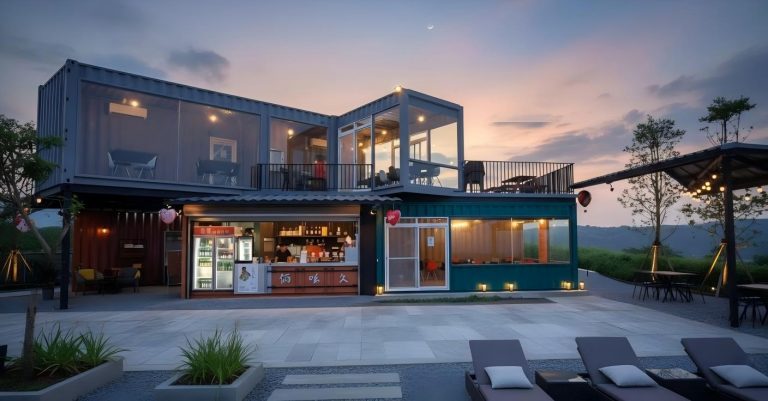
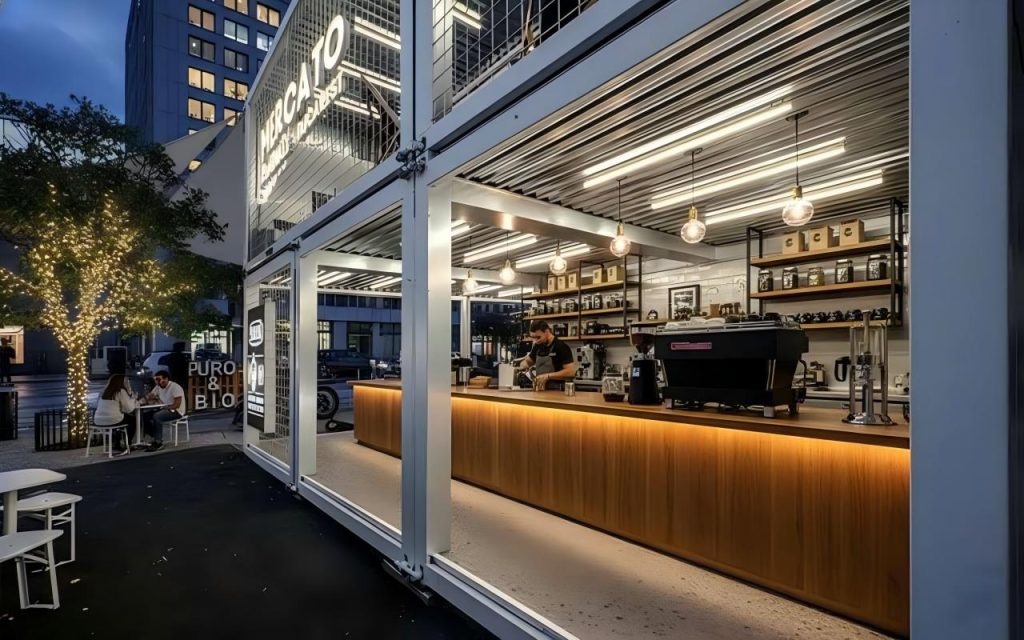
By combining indoor container units with outdoor plazas and gardens, the project creates a seamless flow between enclosed and open spaces. This design encourages social interaction and provides innovative environments for meetings, leisure, and entertainment
To enrich community life, the space regularly hosts cultural and social events such as concerts, movie screenings, exhibitions, and community festivals. The venue can accommodate several hundred people, making it a vibrant urban gathering point
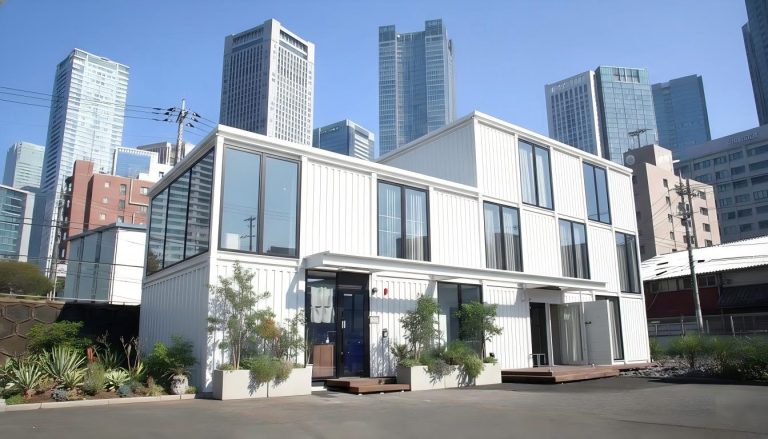
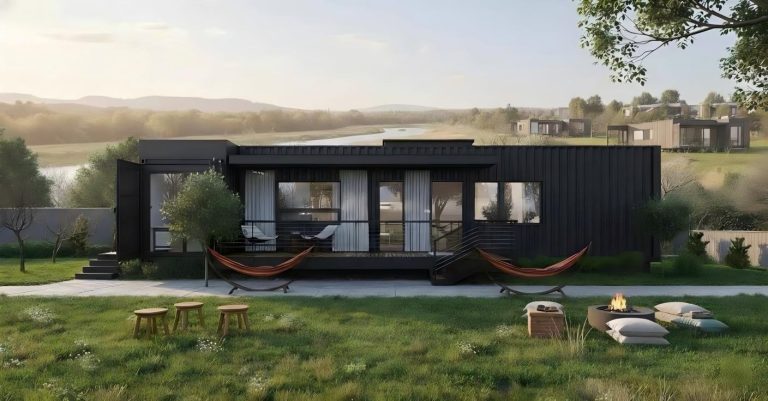
The community market is built from multiple detachable container units combined with large glass windows. The primary color palette of silver and white enhances the metallic texture while delivering a clean, modern, and fashionable appearance
Unlike traditional commercial developments, this container-based community space is designed to evolve. New themes are introduced each year, and additional functions are continuously added, ensuring the project remains fresh, relevant, and engaging
By using reusable container structures, the project minimizes construction waste and environmental impact. It represents a sustainable development model that prioritizes community engagement, adaptability, and long-term urban value
Conclusion
Urban community commercial spaces built with modular container architecture offer cities a flexible and creative solution for revitalization. By blending food, culture, work, and social life, these projects redefine how people interact with urban environments