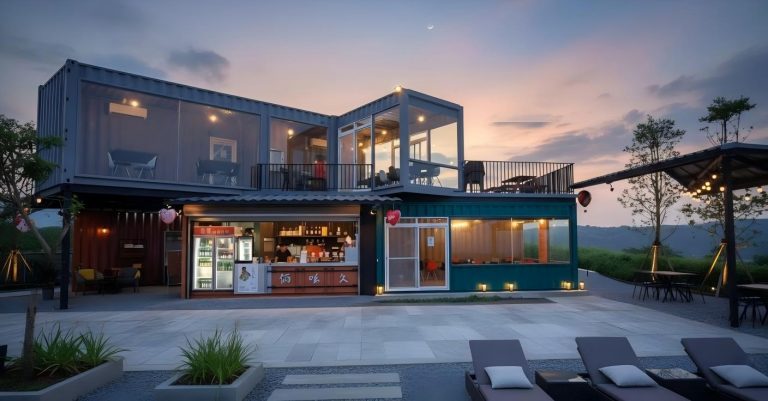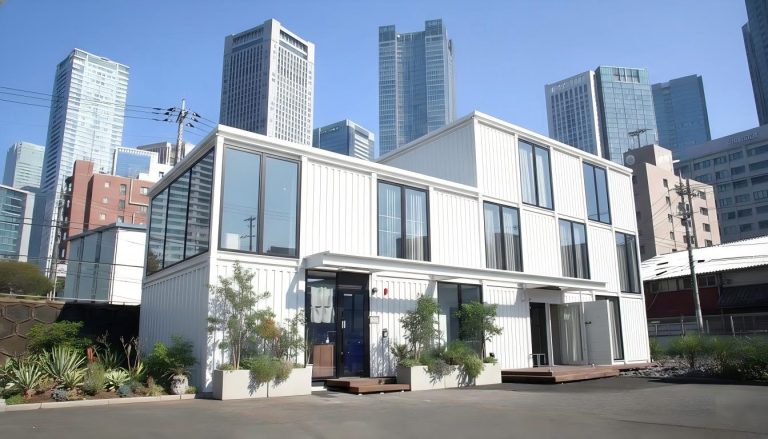
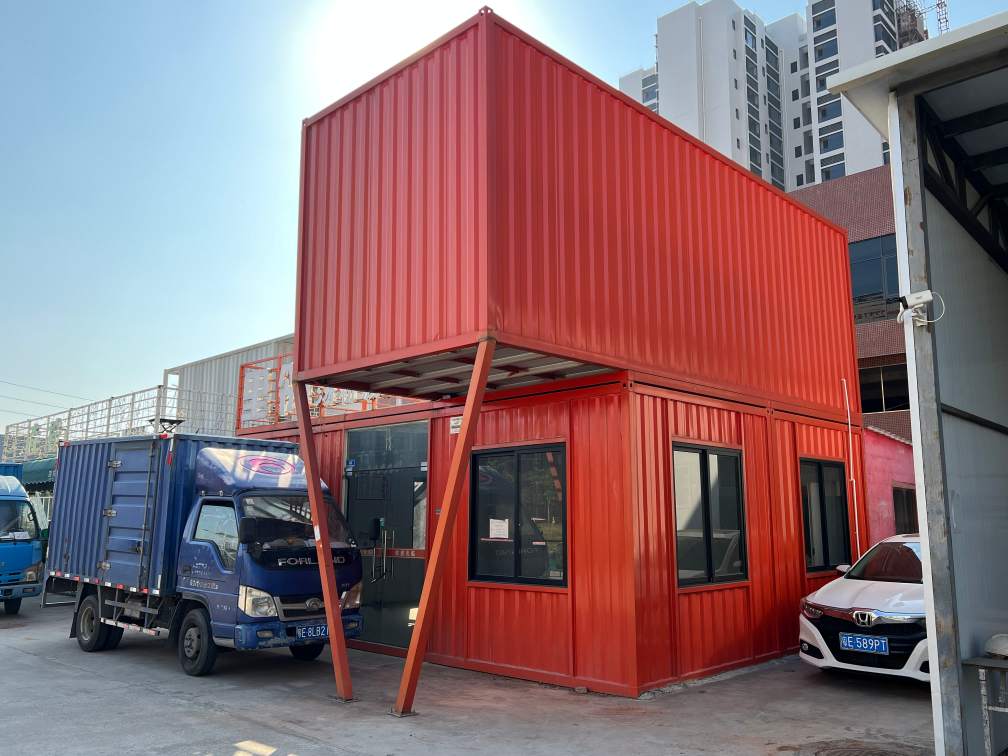
Container creative markets are redefining how cultural, artistic, and commercial spaces are built and experienced. By transforming industrial shipping containers into vibrant retail shops, art galleries, cafés, and music venues, these markets offer a fast, flexible, and visually striking solution for modern urban life
1. A Unique Creative Concept
Container creative market shops combine raw industrial aesthetics with artistic expression. Originally designed for logistics and transportation, shipping containers are reimagined into personalized commercial units with strong visual identity and storytelling power
Each container can be customized according to its function—whether as a bookstore, café, handicraft shop, or exhibition space—while maintaining durability, mobility, and modularity
2. One-Stop Design, Production & Installation
One of the biggest advantages of container creative markets is the one-stop service model. From concept design and factory production to on-site installation, the entire process can be completed within approximately 30 days, significantly reducing project timelines
Professional design teams tailor layouts, façades, and interior details to suit site conditions and brand positioning, ensuring both aesthetics and commercial functionality
3. Fast Construction & Flexible Deployment
Unlike traditional brick-and-mortar construction, container market shops are prefabricated in factories, minimizing on-site disruption. Their modular structure allows easy relocation, expansion, or reconfiguration, making them ideal for pop-up markets and seasonal events
4. A Hub for Art, Culture & Creativity
Container creative markets serve as platforms for artists, designers, and creative entrepreneurs. From paintings and sculptures to photography and handmade crafts, these markets offer immersive cultural experiences and direct interaction between creators and visitors
Workshops, exhibitions, and talks further enhance engagement and community value
5. Sustainability & Social Value
By reusing shipping containers, creative markets significantly reduce construction waste and material consumption. These projects support sustainable urban development while providing affordable entry points for small businesses and startups
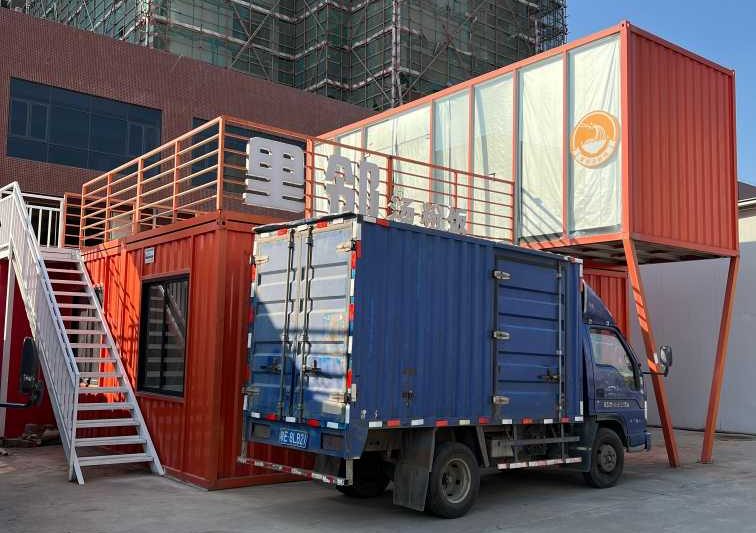
6. Conclusion
Container creative market shops represent a new model of commercial space—fast, flexible, sustainable, and visually compelling. By combining industrial structures with culture, art, food, and music, they offer unforgettable experiences and strong commercial potential
Contact us for technical support and product brochures