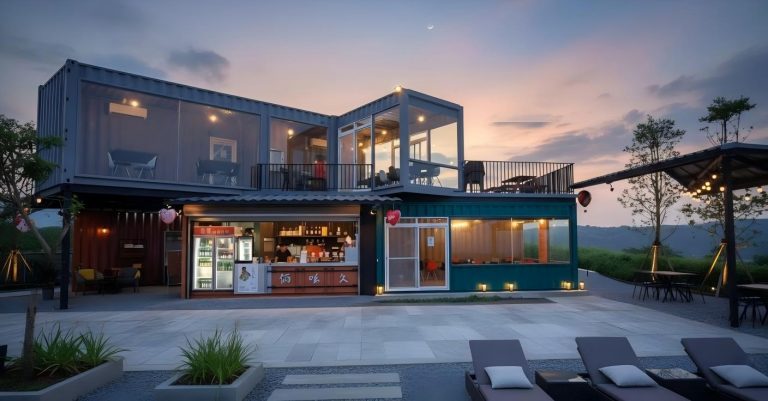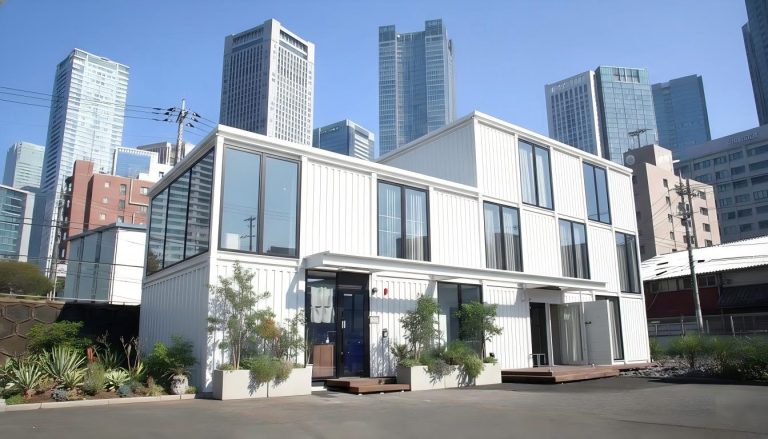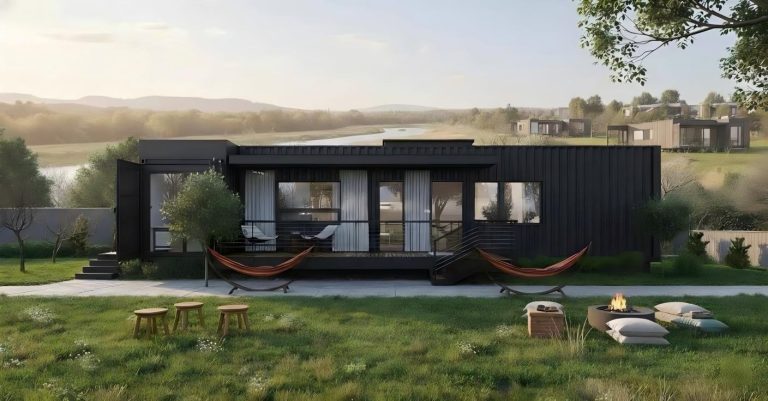
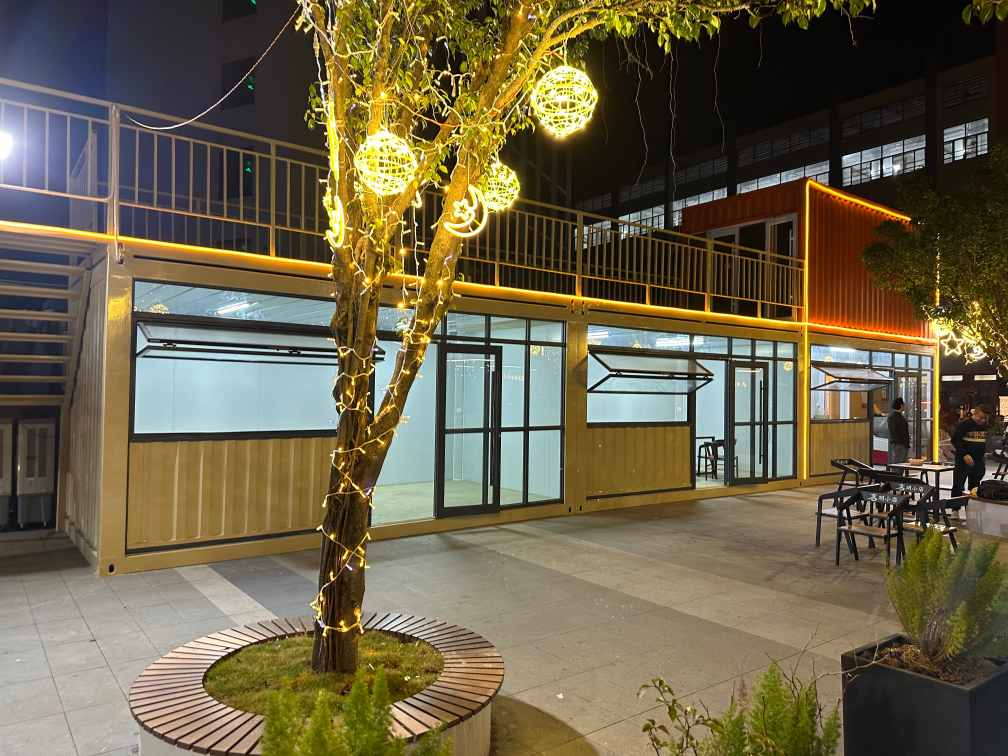
As cities seek more flexible and people-oriented spaces, container architecture has emerged as a powerful solution. Mixed-use container projects that integrate dining, events, retail, and offices are redefining how people work, eat, and gather—breaking away from traditional concrete buildings
The Concept of Mixed-Use Container Architecture
Mixed-use container architecture combines multiple functions—restaurants, cafés, retail shops, offices, and event spaces—within a single modular container park. The standardized size of shipping containers allows designers to create compact yet impactful spaces that feel open, dynamic, and human-centered
Integrating Dining Experiences into Container Buildings
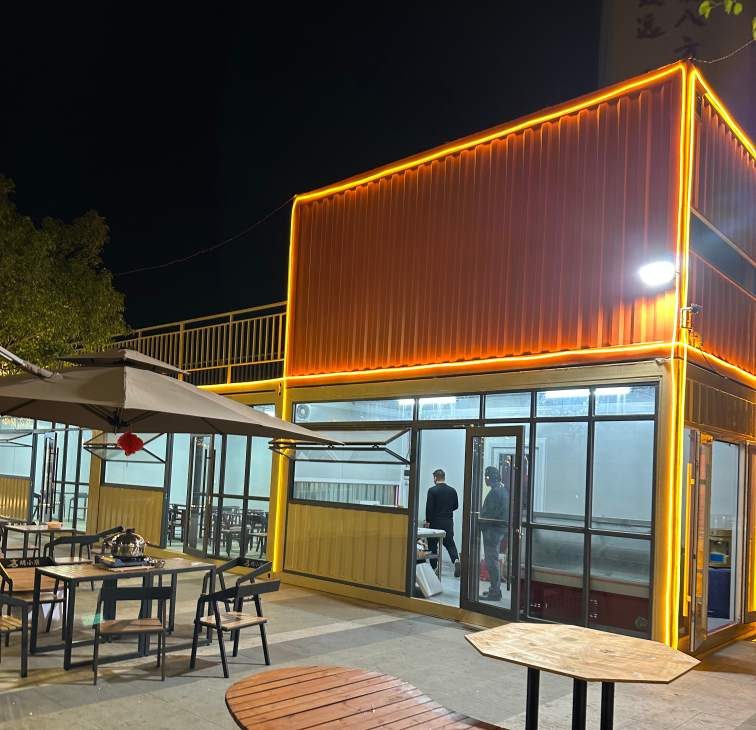
Container-based dining spaces offer flexibility for food startups and restaurants. From coffee shops and street food stalls to full-service restaurants, containers provide compact, efficient, and visually appealing environments that attract visitors
Container Offices: A New Way of Working
Container offices offer an alternative to conventional office buildings. Compact yet functional, they support startups, creative teams, and small businesses. Natural light, outdoor workspaces, and green surroundings improve productivity and well-being
Supporting Small Businesses with Modular Design
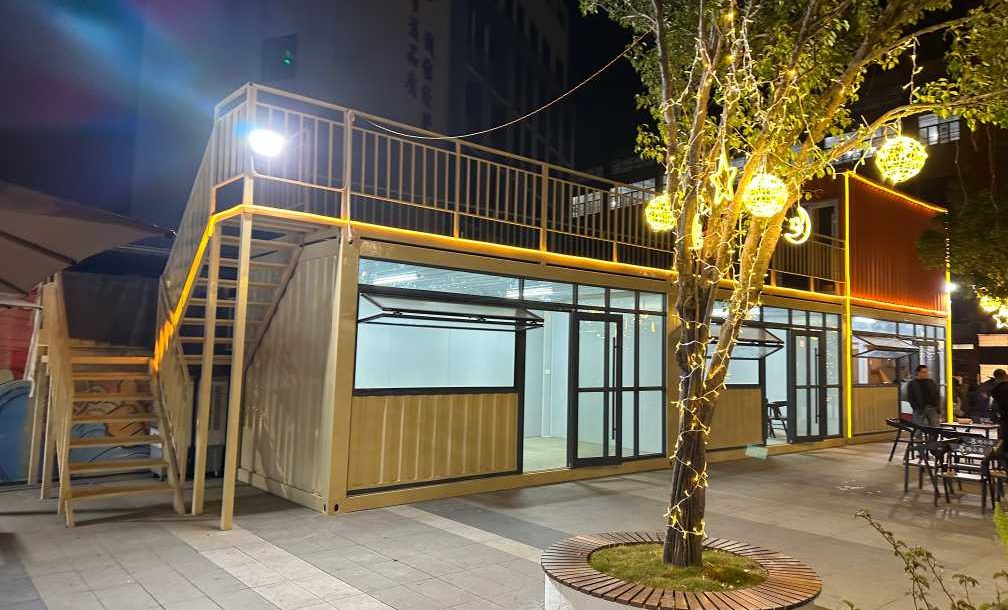
Standard container units—often around 300–350 square feet—allow small businesses to make a strong brand statement with limited space and investment. Modular expansion enables businesses to grow over time without relocating
Economic, Social & Urban Renewal Value
Mixed-use container projects stimulate local economies, attract visitors, and revitalize underused areas. They serve as catalysts for innovation, cultural exchange, and community engagement
Sustainability & Environmental Advantages
By reusing shipping containers, these projects reduce construction waste and resource consumption. Prefabrication minimizes site disruption and shortens construction timelines
Conclusion
Container architecture integrating dining, events, and office spaces represents a future-forward approach to urban development. Flexible, sustainable, and people-centered, it creates vibrant places where work, leisure, and culture naturally coexist
Contact us to obtain the product catalogue and technical support