
The Rise of Eco-Friendly Container Homes
container homes have gained worldwide attention as a new form of sustainable housing. With the growing demand for eco-friendly construction and affordable housing, modular container houses offer a perfect balance between environmental responsibility and modern design
How Container Homes Help the Environment
Reduced Construction Waste
Traditional construction can generate massive waste — from concrete debris to unused materials. Container housing, on the other hand, uses prefabricated modules that minimize material loss, resulting in cleaner, more efficient construction.
Energy Efficiency
Modern container homes often include solar panels, insulation panels, and smart ventilation systems to enhance energy performance
By optimizing natural lighting and temperature control, container homes reduce dependence on air conditioning and artificial lighting
Lower Carbon Footprint
Because container homes can be transported and assembled quickly, they require less on-site machinery and labor, significantly lowering CO₂ emissions during construction
Sustainable Design Features of Modern Container Homes
Modern modular housing manufacturers have integrated green technology into every step:
Thermal insulation panels for better energy saving
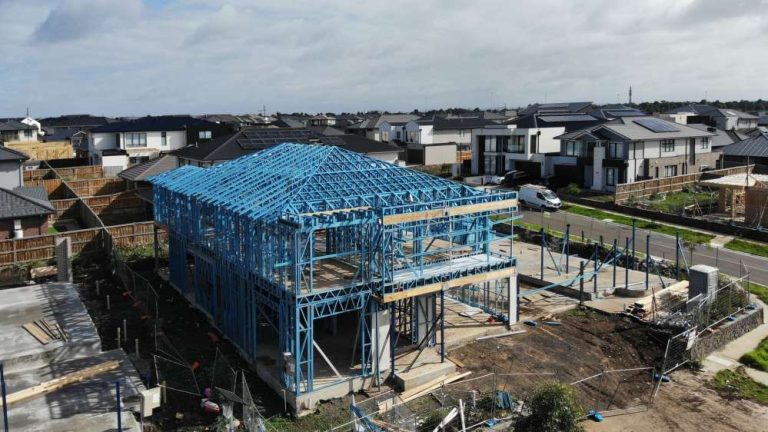
Recyclable steel frame with long service life
Solar power systems for off-grid living
Rainwater collection systems to reduce water waste
Foldable or expandable design to minimize land use
These designs make container homes ideal for eco-resorts, mobile offices, and off-grid communities

Why Container Homes Represent the Future of Green Living
Container homes not only reduce environmental impact but also bring flexibility, affordability, and design innovation
As the world faces resource scarcity and rising housing demand, modular container architecture offers a practical path toward sustainable urban development
In countries like Saudi Arabia, UAE, Australia, and the United States, container homes are now used for eco-resorts, student housing, emergency shelters, and commercial spaces — proving their versatility and long-term potential
Conclusion
Container homes are far more than a creative housing trend — they are a symbol of sustainable architecture.
By combining recycled materials, modular design, and green technology, they offer a future where modern living meets environmental responsibility